“Once men turned their thinking over to machines in the hope that this would set them free. But that only permitted other men with machines to enslave them.”
― Frank Herbert, Dune
My favorite genre in literature and film has always been Science Fiction. While I also enjoy westerns and other fictional works, the biggest attraction to Science Fiction is the “What if?” factor of humanity with advanced technology. The speculative aspect of how we would use technology, especially at levels our ancestors in the not too distant past would regard as magic was intriguing and sometimes even frightening in a way that put most horror fiction to shame.
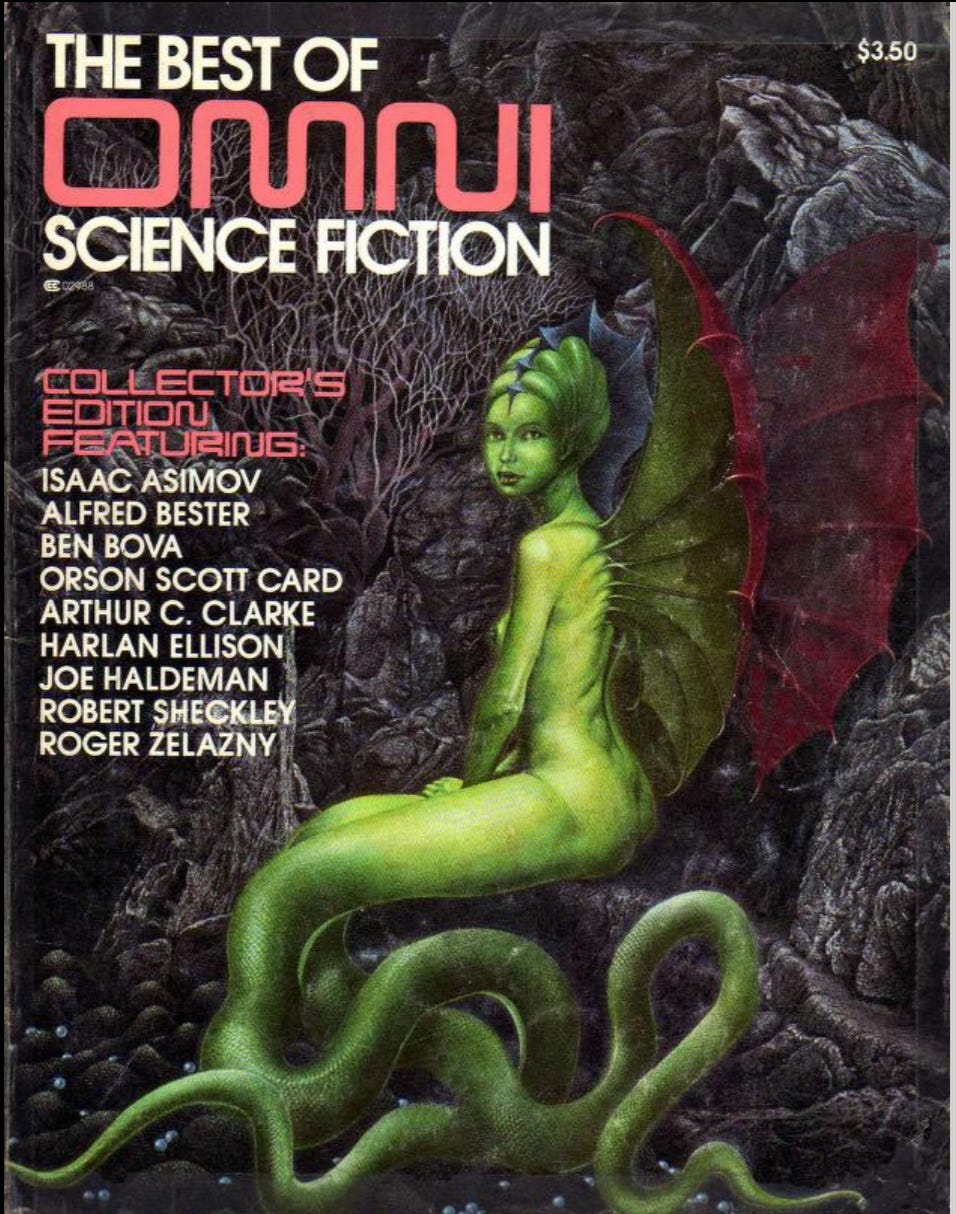
Between stacks of OMNI Magazines, Popular Science and a small treasure of VHS tapes in my childhood bedroom, I would get lost in the worlds created by authors such as Orson Scott Card, Frank Herbert, Robert Heinlein, and many others.1
The theme of cautionary science fiction has been an excellent way to explore the combination of advanced technology and the hubris of Mankind.
Take the science fiction writer Michael Crichton for example. His books have been the basis for many Sci-Fi films with the most famous being Jurassic Park, a fantastical, yet cautionary tale of scientists being able to extract dinosaur DNA from amber fossils for cloning purposes. The book and movie adaptation nicely explain the hypothetical science used to do the cloning process.
Spoiler: it doesn’t turn out to be a good idea to resurrect long extinct creatures back for a modern-day amusement park.2 A quote from one of the characters admonishing the owner of the park still resonants over three decades later.
"Your scientists were so preoccupied with whether or not they could, that they didn't stop to think if they should."
- Ian Malcolm, Chaos Theorist, Jurassic Park
Where Nothing Can Possibly Go Wrong
But in his 1973 film Westworld about life-like robots with Artificial Intelligence (AI) turning murderous in a futuristic amusement park, the idea of science going further than it should resonants around the current conversations surrounding AI.3
AI has popped up in a lot of cinema and novels since around the time Westworld came out. 2001: A Space Odyssey, based on an Arthur C. Clarke novel, was also about rogue AI. Frank Herbert’s Dune book series alluded to an entire war of humanity against AI in the form of a Butlerian Jihad.
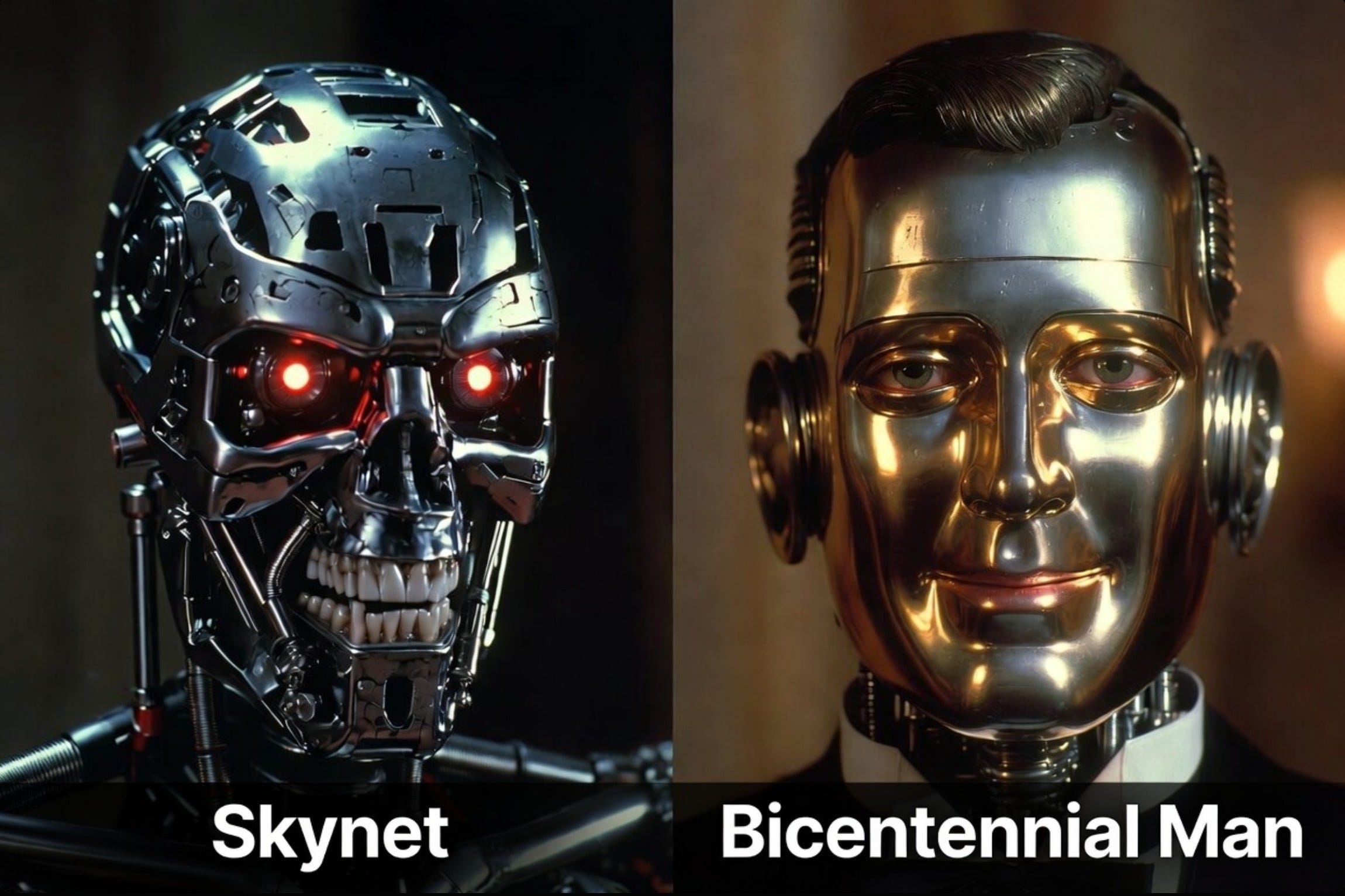
For most movie fans, the AI Skynet from The Terminator movie series has taken on greater meaning in the 21st century, especially with news stories regularly coming out describing the latest technology involving AI drones utilized in warfare. Fears of AI taking over were a centerpiece of The Matrix movies.
Positive portrayals of AI in films such as Bicentennial Man or even Chappie are often overlooked in favor of more sensational coverage and discussions of how AI will interact with humanity. Steven Spielberg’s A.I. Artificial Intelligence tried to put a humanizing touch on a future humanity alongside AI. Ex Machina took a decidedly different route on the possibilities of future AI.
The reality will most likely land somewhere in the middle.